3 June 2026
Spotlight on: ngahere restoration strategy and plans
With winter planting just around the corner, it’s a good time to take stock of what we have achieved in this space and to look ahead to plans for 2026 planting and beyond.

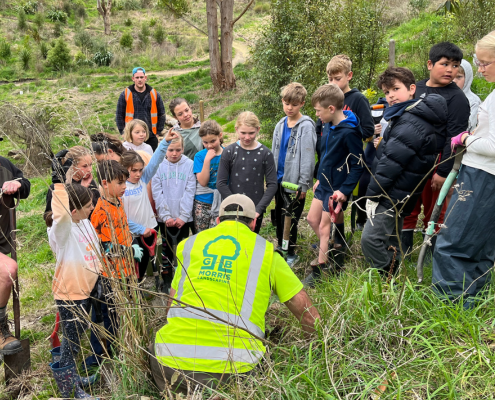
For decades, Te Mata Park Trust has been working to restore areas of the Park for biodiversity and the enjoyment of the public. That work stepped up significantly in recent years, with the planting of over 65,000 native trees between 2020 and 2025, thanks to the support of Te Uru Rākau, Trees That Count, community grants, and the general public.
The recent planting has focused on “nurse” species that provide shelter, improve soil conditions, suppress weeds, and create the damp, protected environment needed for slower-growing “canopy” species to establish successfully.
Planting over the next few years will focus on “canopy” species — kahikatea, mataī, rimu, tawa and northern rata — which over time will grow up through the nurse crop to form the long-term structure of a resilient ngahere. New pockets of native “nurse” species will continue to be planted in key areas.
The Trust’s planting plans are part of a larger, long-term restoration strategy to protect, enhance and restore ecosystems across the maunga. This mahi also plays an important role beyond the Park boundaries. Te Mata Park’s 107.5 hectares form part of a key biodiversity corridor connecting Cape Sanctuary through to the Mahia Peninsula and beyond, meaning restoration work undertaken in the Park contributes to regional biodiversity outcomes.
Annual community planting days and working bees have become an important part of the restoration programme and have fostered a deeper connection between the community and the Park. The Trust looks forward to inviting the community to its Winter Planting Day in July 2026. To register as one of our volunteers and receive an invitation, click here.
Image credit: The Surveying Company
Explore more
Latest News
 Eleanor Lonergan
https://www.tematapark.co.nz/wp-content/uploads/2024/08/News-image-right-4.png
400
600
Eleanor Lonergan
https://www.tematapark.co.nz/wp-content/uploads/2020/06/Te-Mata-Park-Logo-Brown-300x151.png
Eleanor Lonergan2024-08-26 20:53:162024-08-26 21:09:36Winter Newsletter
Eleanor Lonergan
https://www.tematapark.co.nz/wp-content/uploads/2024/08/News-image-right-4.png
400
600
Eleanor Lonergan
https://www.tematapark.co.nz/wp-content/uploads/2020/06/Te-Mata-Park-Logo-Brown-300x151.png
Eleanor Lonergan2024-08-26 20:53:162024-08-26 21:09:36Winter Newsletter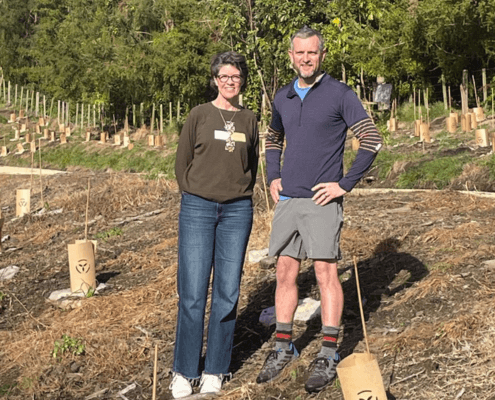 Maria Chalmers
https://www.tematapark.co.nz/wp-content/uploads/2024/08/News-image-right-3-2.png
400
600
Eleanor Lonergan
https://www.tematapark.co.nz/wp-content/uploads/2020/06/Te-Mata-Park-Logo-Brown-300x151.png
Eleanor Lonergan2024-08-14 09:35:182024-08-15 11:08:29Hawke’s Bay trail run back blazing with charity partner Te Mata Park Trust following cyclone
Maria Chalmers
https://www.tematapark.co.nz/wp-content/uploads/2024/08/News-image-right-3-2.png
400
600
Eleanor Lonergan
https://www.tematapark.co.nz/wp-content/uploads/2020/06/Te-Mata-Park-Logo-Brown-300x151.png
Eleanor Lonergan2024-08-14 09:35:182024-08-15 11:08:29Hawke’s Bay trail run back blazing with charity partner Te Mata Park Trust following cyclone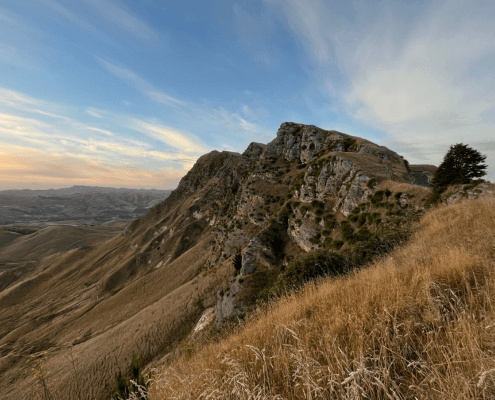 Eleanor Lonergan
https://www.tematapark.co.nz/wp-content/uploads/2024/07/News-image-right-2-2.png
400
600
Eleanor Lonergan
https://www.tematapark.co.nz/wp-content/uploads/2020/06/Te-Mata-Park-Logo-Brown-300x151.png
Eleanor Lonergan2024-07-03 11:07:152024-07-03 12:07:41Have your say in the Te Mata Park 2024 Survey
Eleanor Lonergan
https://www.tematapark.co.nz/wp-content/uploads/2024/07/News-image-right-2-2.png
400
600
Eleanor Lonergan
https://www.tematapark.co.nz/wp-content/uploads/2020/06/Te-Mata-Park-Logo-Brown-300x151.png
Eleanor Lonergan2024-07-03 11:07:152024-07-03 12:07:41Have your say in the Te Mata Park 2024 Survey
 Seven time winner of the prestigious international green space award.
 Te Mata Park
 Ian Davidson-Watts